Water Survival Box
A Journey from Disaster to Relief
Aid Where it's Needed
Running the Numbers

Water Survival Boxes

Family Water Filters

Solar Lamps
The Journey
From Disaster to Relief
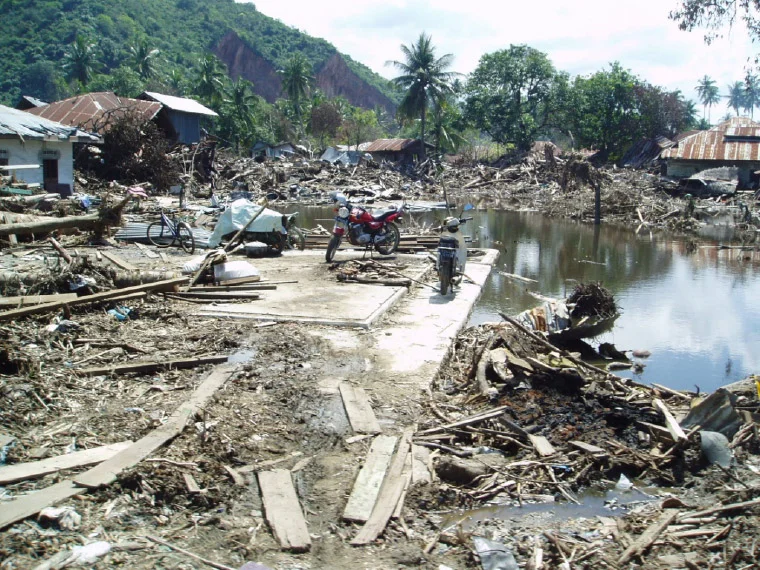
01 - A catastrophe strikes
The online humanitarian alert portals GDACS and RELIEFWEB provide hourly updates on natural disasters and crises. WSB UK reviews these reports for disasters impacting people's water supplies and then forwards the appeal for humanitarian aid to its network.
02 - The ball starts rolling.
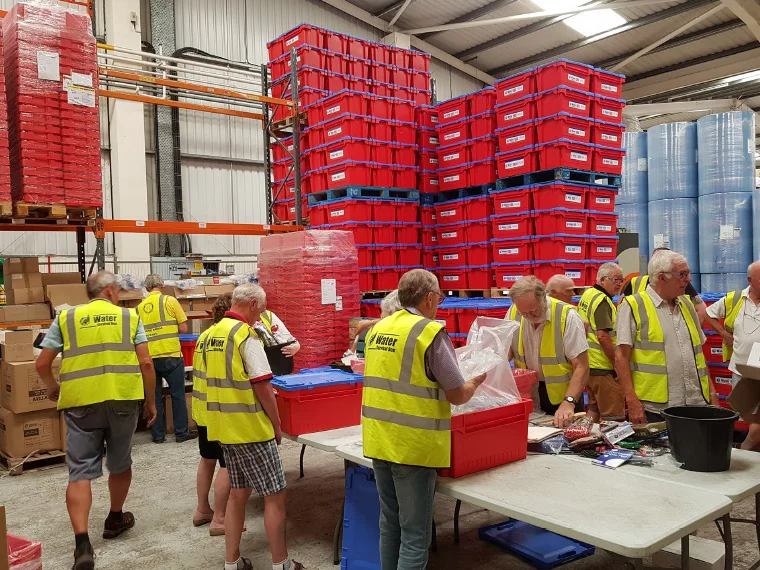
03 - At the Warehouse.
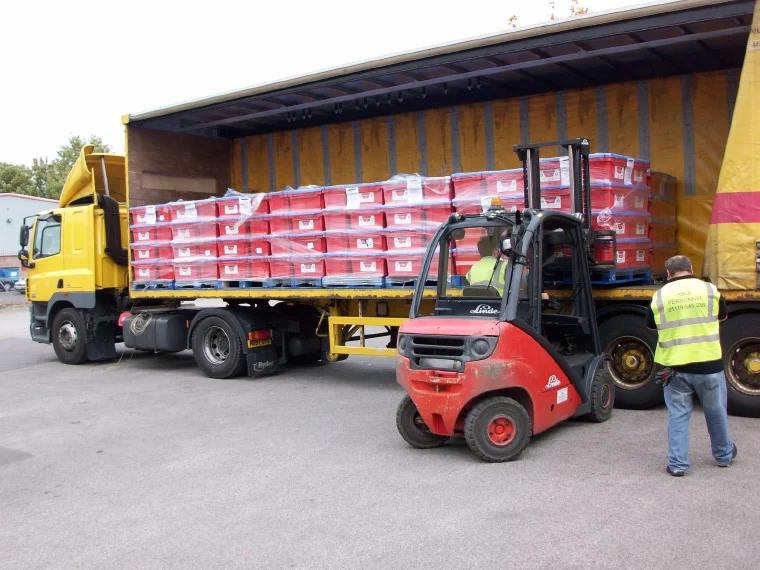
04 - The journey begins
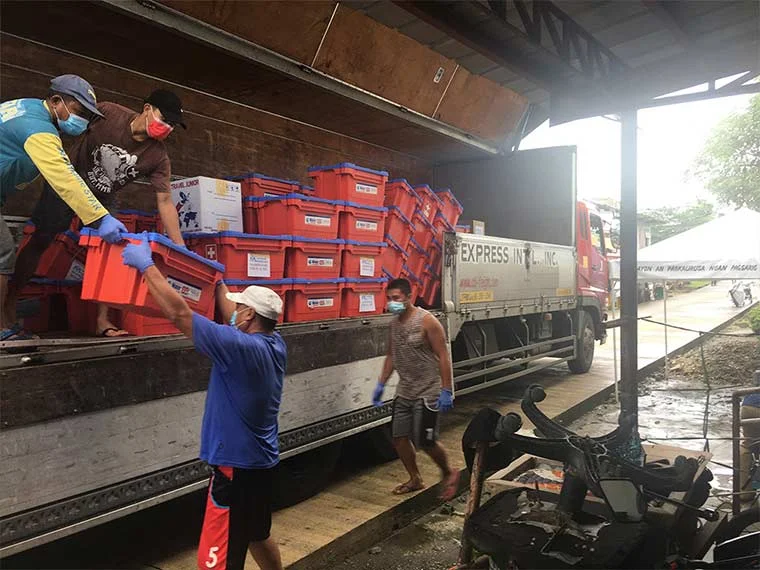
05 - Arrival of the boxes in the destination country
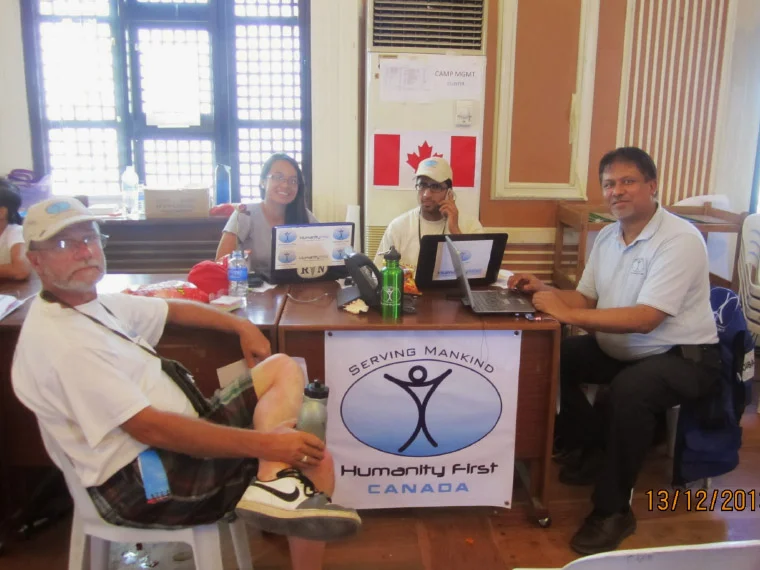
06 - Local aid organizations take over
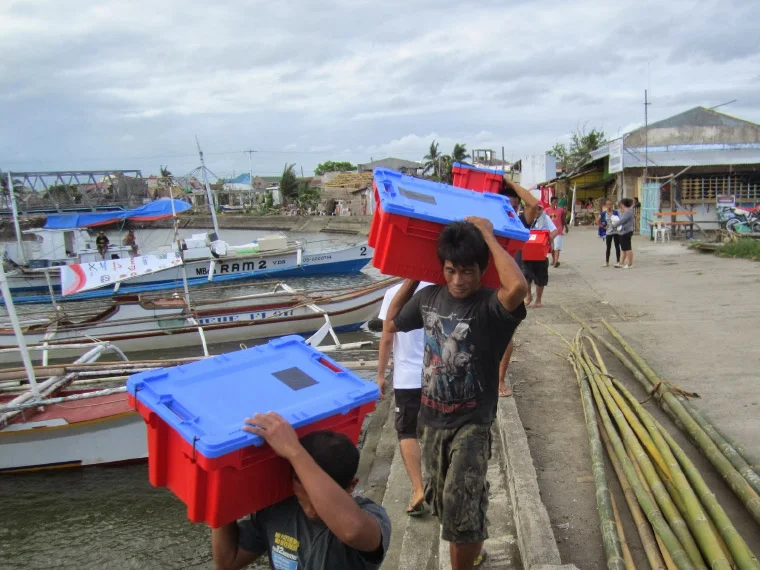
07 - Arrival in the crisis region
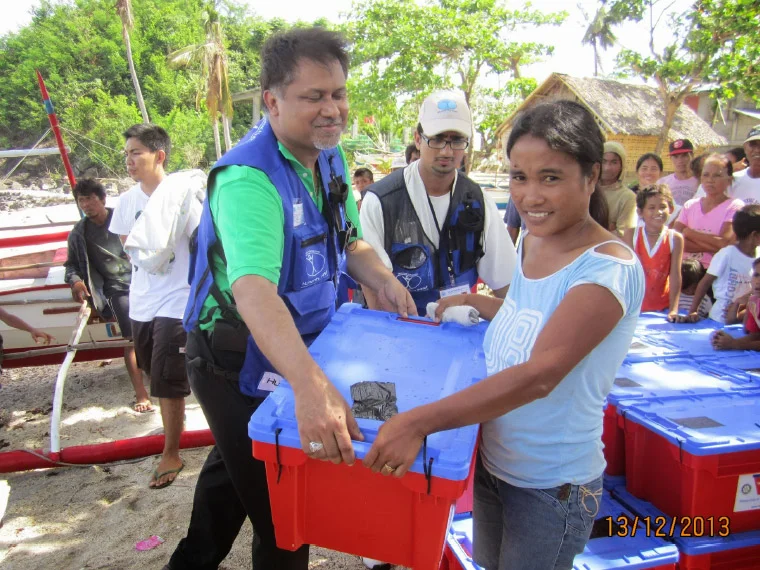
08 - Selection of beneficiaries
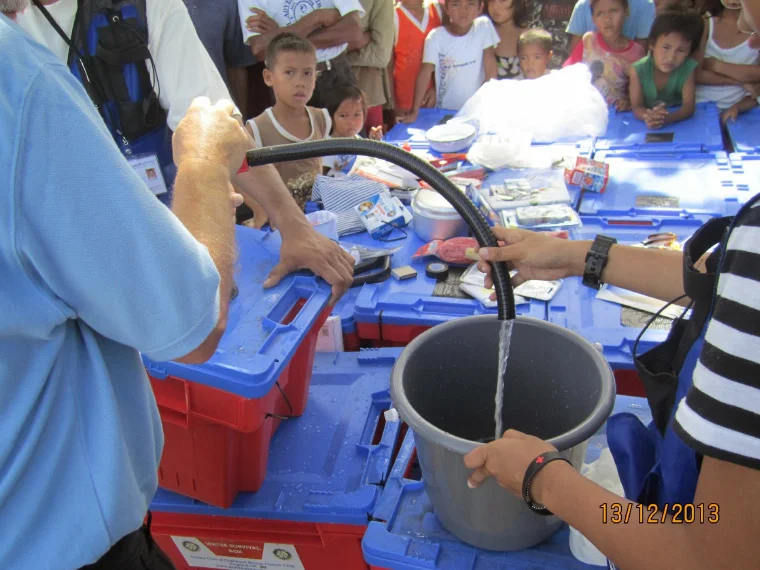
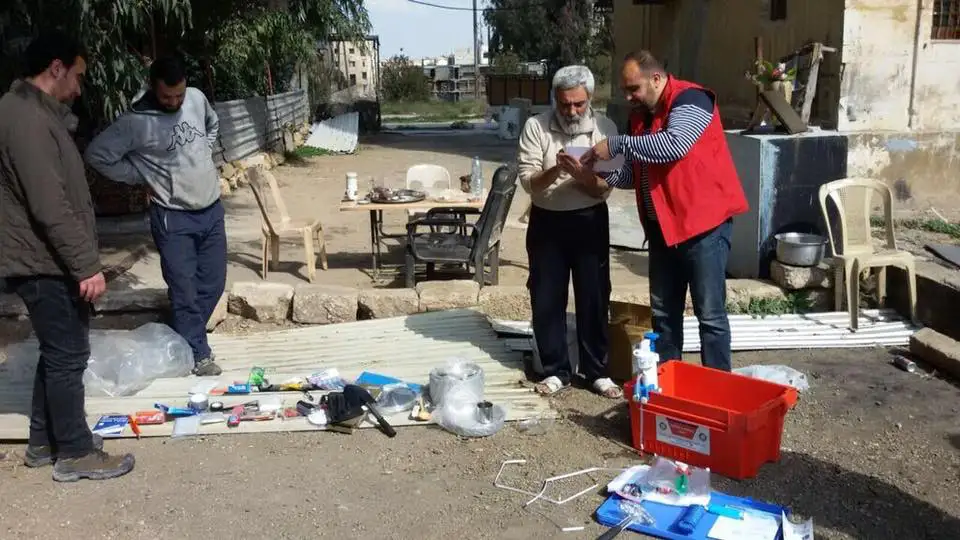
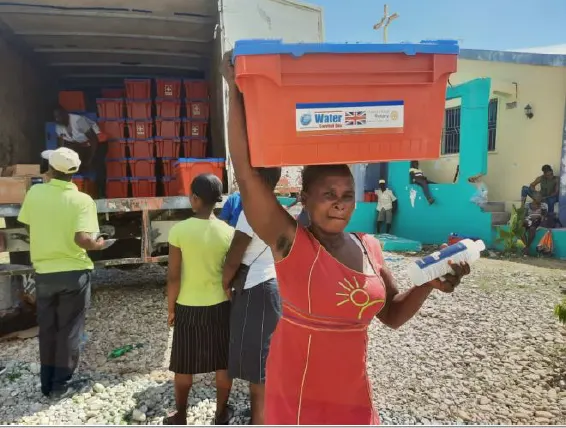
09 - Distribution and introduction to handling
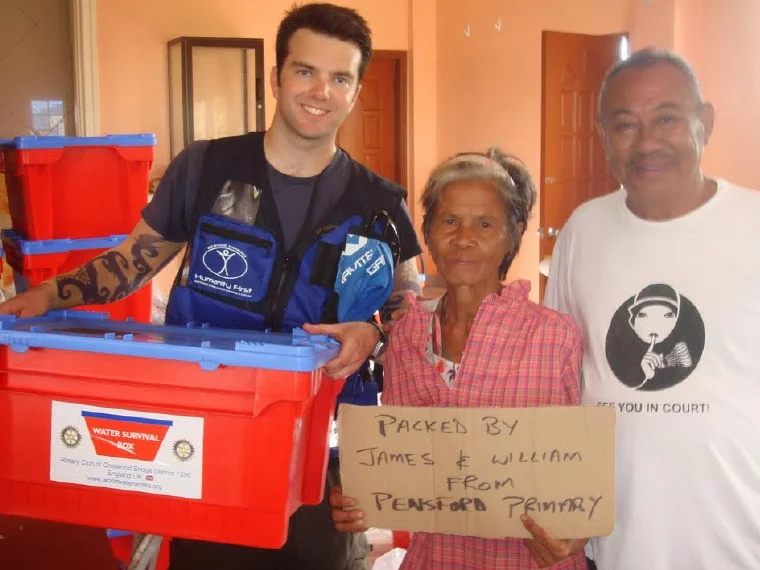
10 - Your donation saves lives
Following the distribution of the Water Survival Boxes, we receive detailed reports from our local partners on the ground. Those affected share their experiences of hardship and moments of joy, and beneficiaries recount how the box helped them. This provides us with valuable feedback, allowing us to continuously adapt the Water Survival Box to the evolving needs of disaster victims.
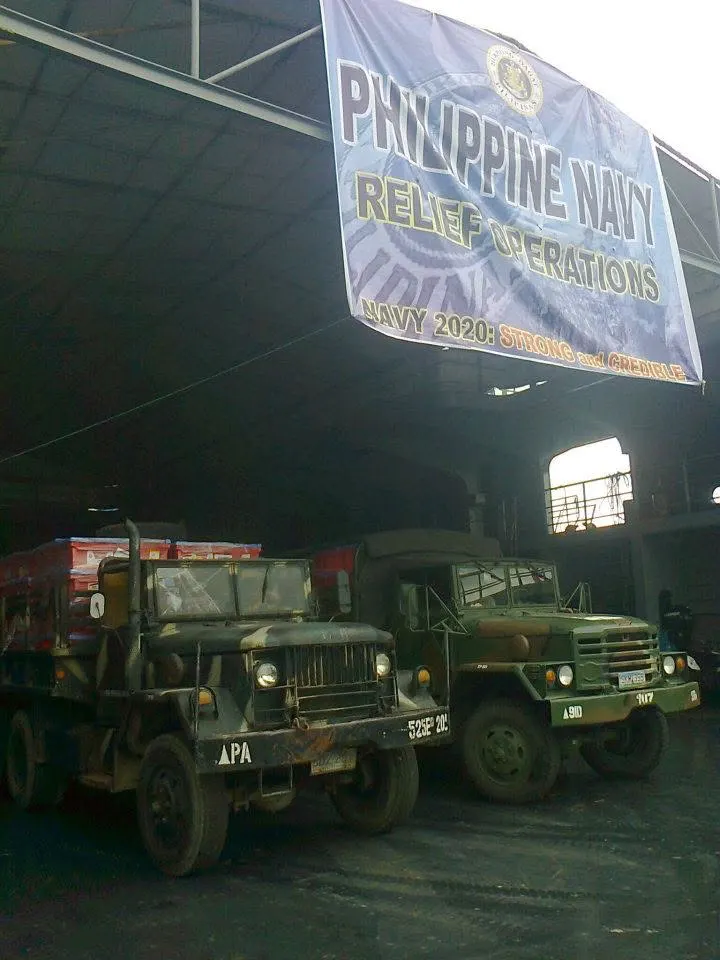
Transportation Methods: Primary methods involve airlifting for speed, along with international cargo shipping to get aid to impacted areas.
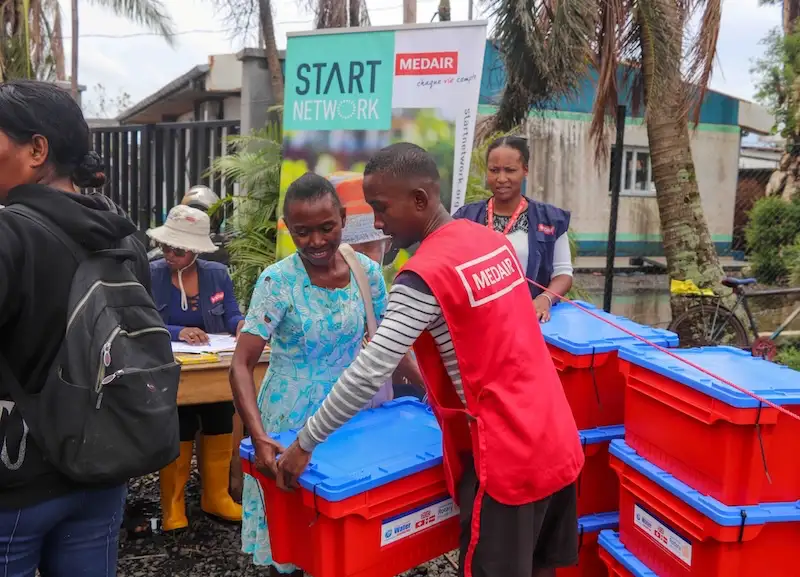
Distribution Partners: The charity works with partners such as International Medical Corps, Humanity First, Medair, and Airlink to ensure swift transit and customs clearance.
Logistics Facilitation: Companies have assisted in moving shipments, ensuring aid reaches locations like Poland for Ukraine relief.
Prepositioning: To improve response times, boxes are pre-positioned in high-risk areas.
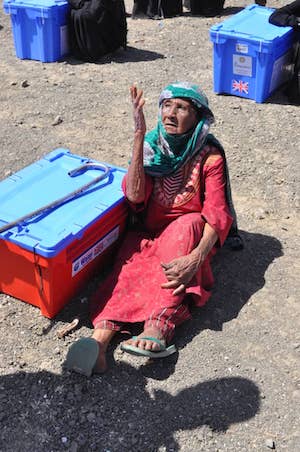
Journey's End
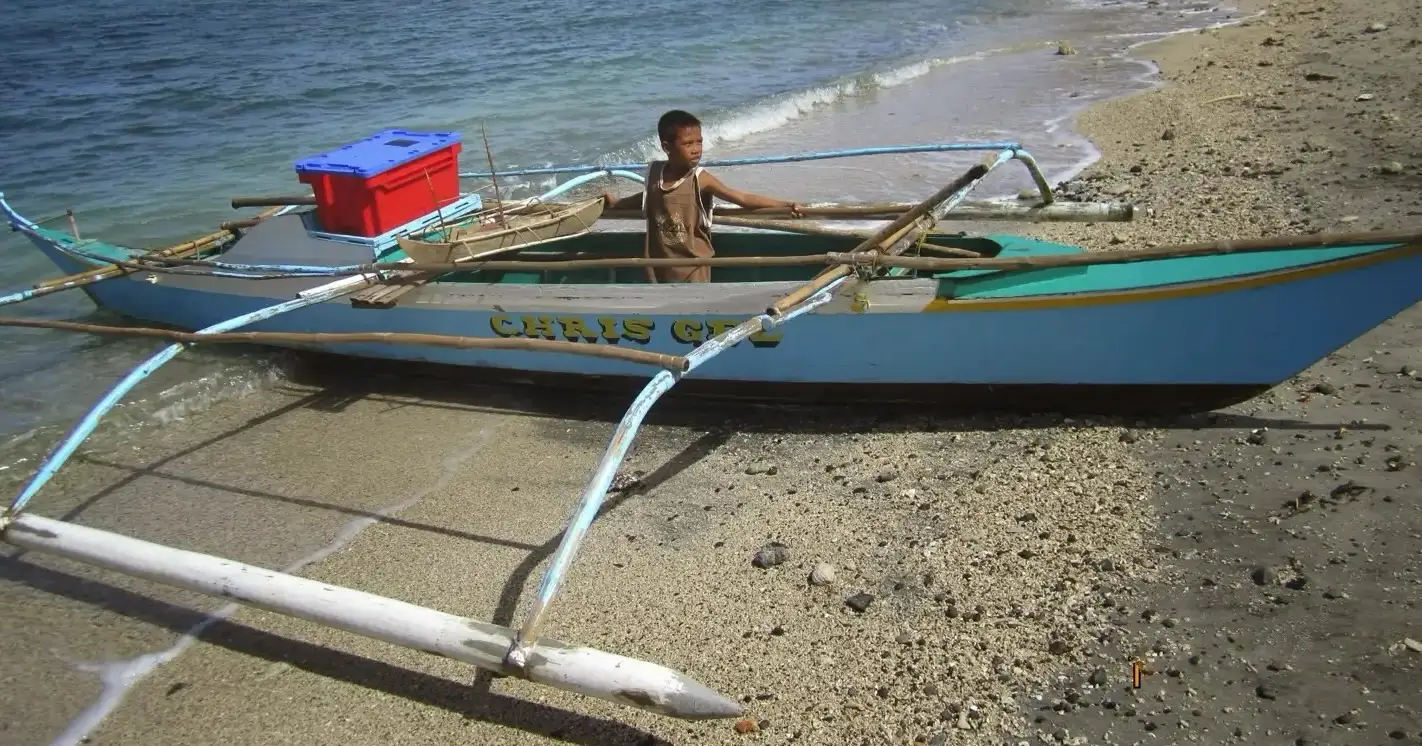
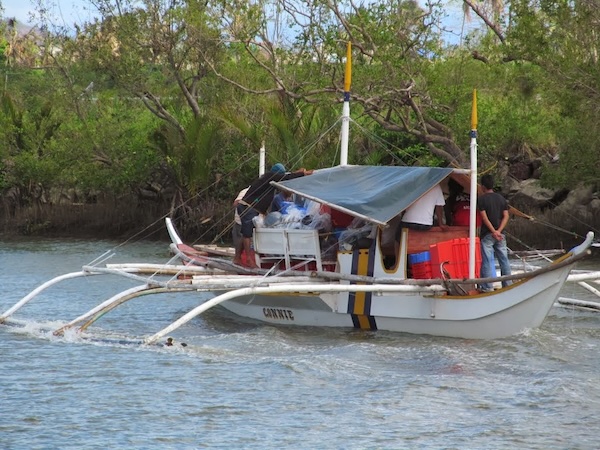
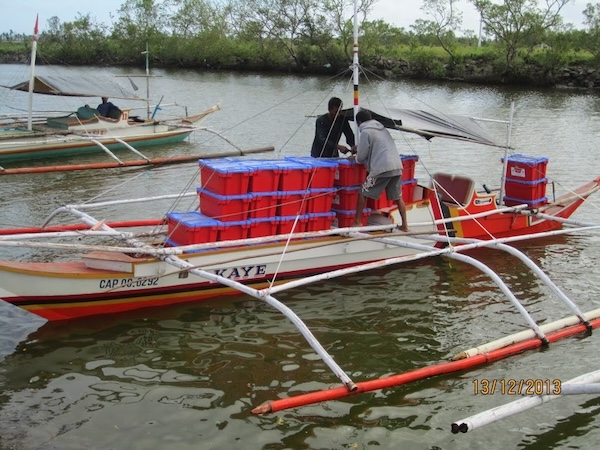
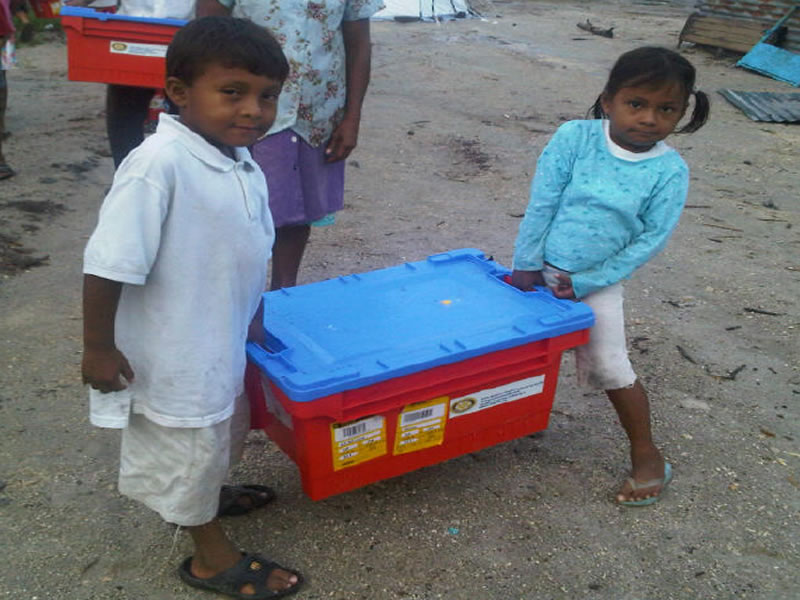
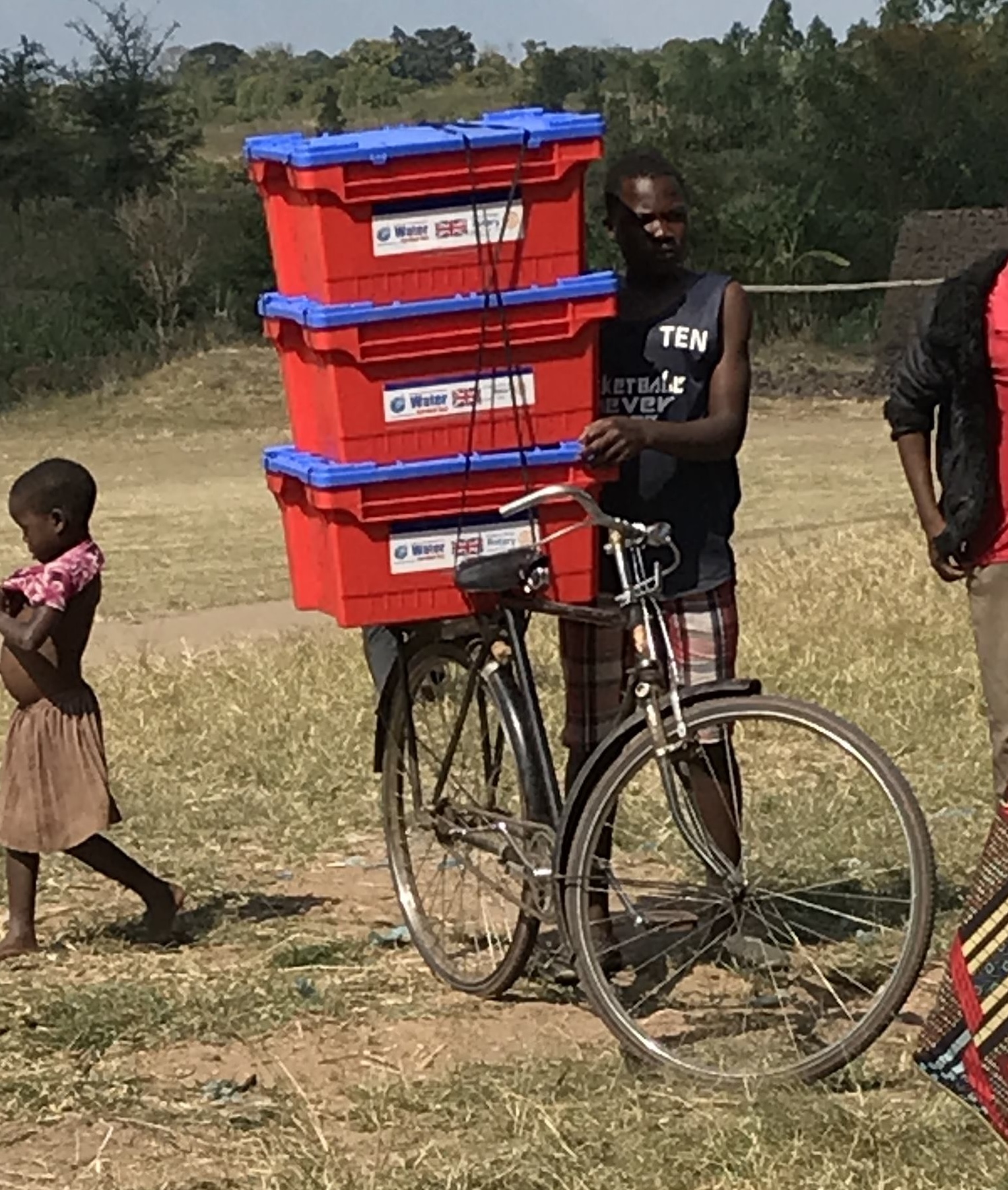
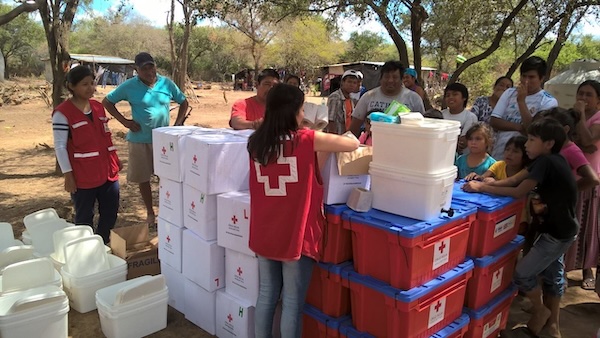
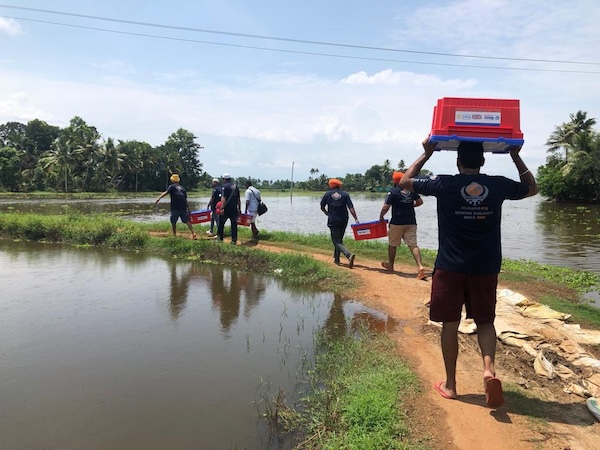
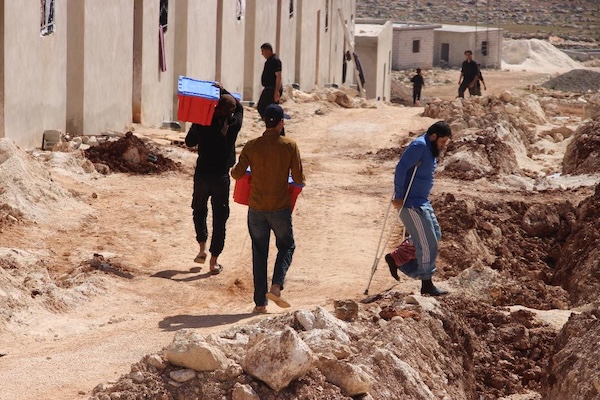
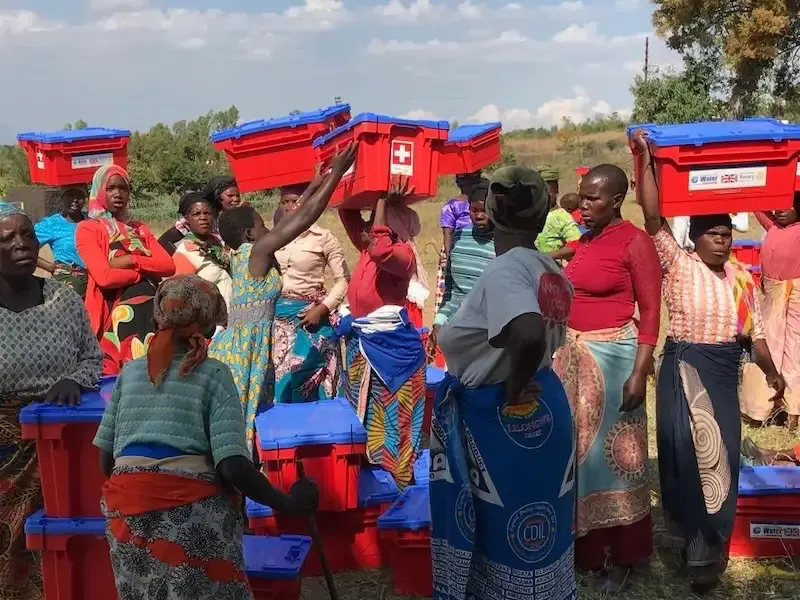
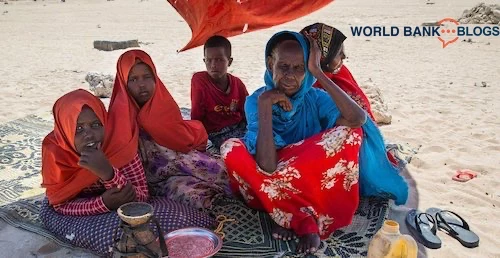
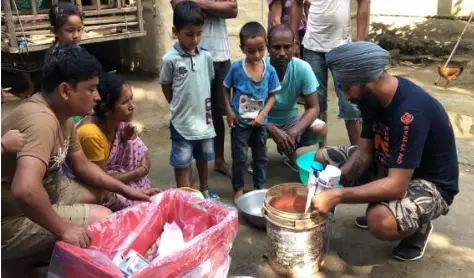
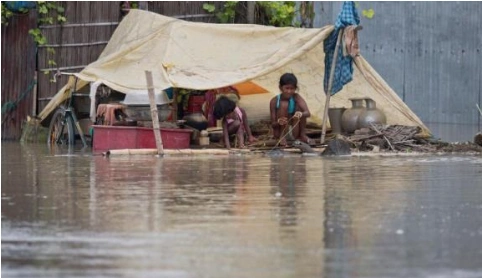
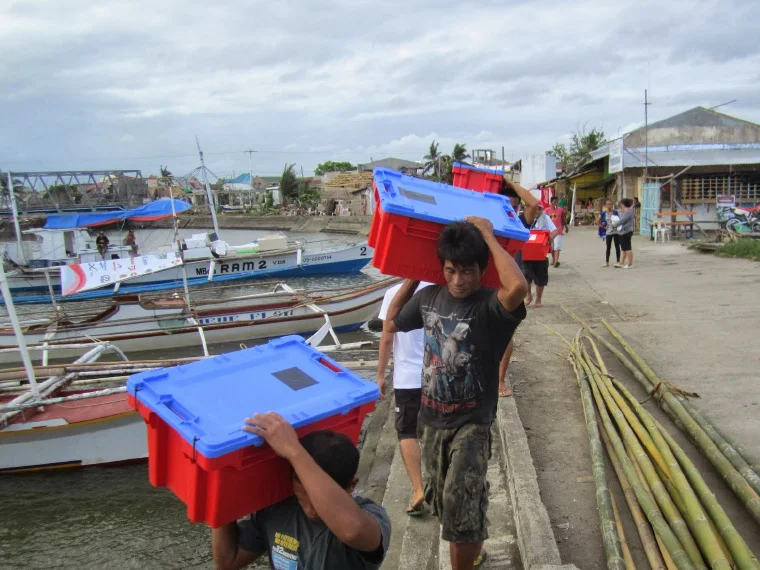
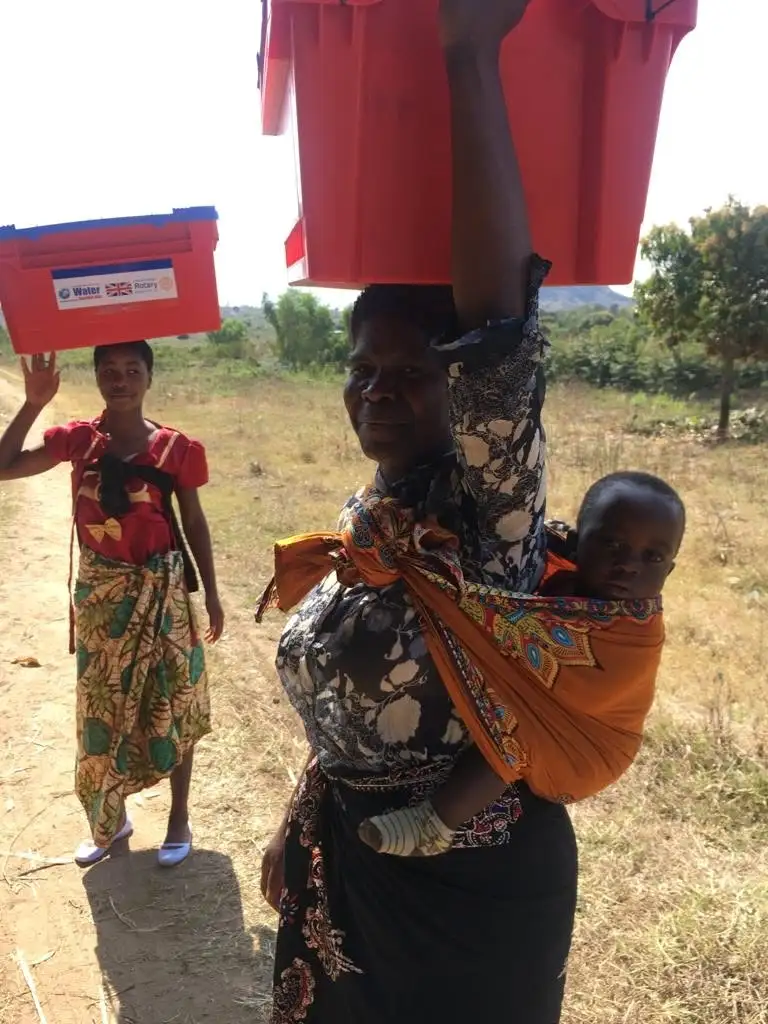
Your Donation is a Valuable Gift to those in Need.
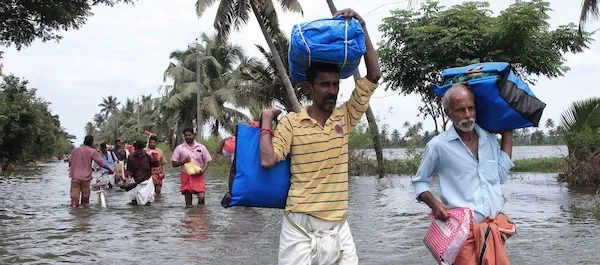
Disaster scenarios often destroy water infrastructure and sanitation systems. This mixes drinking supplies with sewage, leading to the rapid spread of waterborne illnesses like cholera, dysentery, typhoid, and diarrhoea, which are leading causes of mortality in emergencies. Clean water is the most critical survival priority because it prevents deadly outbreaks of infectious diseases and protects vulnerable survivors from rapid dehydration. It is a vital intervention managed by humanitarian organisations to ensure immediate public health and community